
Worried About Thyroid Problems? These 3 Essential Tests Can Give Clear Answers
“Doctor, I feel tired all the time… Is it thyroid?”
“I noticed swelling in my neck… Should I worry?”
“Many women fear thyroid problems, but not every thyroid issue is dangerous. The right
evaluation helps us understand exactly what is happening inside the thyroid gland.”
Dr. Sundharrajan
MS, FMAS, DMAS, MBA
Laparoscopic Surgeon
Thyroid problems are becoming increasingly common today, especially among women. Symptoms like fatigue, weight changes, hair fall, neck swelling, mood changes, and irregular periods often make people worry about thyroid disease. However, proper diagnosis is important before jumping to conclusions.
A complete thyroid evaluation usually involves three important tests that help doctors
understand the condition of the thyroid gland accurately.
Why Proper Thyroid Evaluation Matters
The thyroid gland plays a major role in controlling metabolism, energy levels, hormones, and
overall body function. Sometimes, thyroid issues may involve simple hormone imbalance,
while in other cases there may be thyroid nodules or abnormal growths that require further
evaluation.
identify the exact problem.
Common Symptoms of Thyroid Problems
Difficulty swallowing
Can Hernia Go Away Without Surgery?
| Test | Purpose | What It Helps Detect |
|---|---|---|
| Thyroid Function Test | Evaluates thyroid hormone imbalance | Confirms thyroid dysfunction |
| Ultrasound Neck Scan | Examines thyroid gland structure | Detects nodules, size, and number |
| FNAC Test | Analyses thyroid nodule cells | Helps rule out serious conditions |
The 3 Essential Tests for Thyroid Evaluation
Thyroid Function Test
Ultrasound Neck Scan
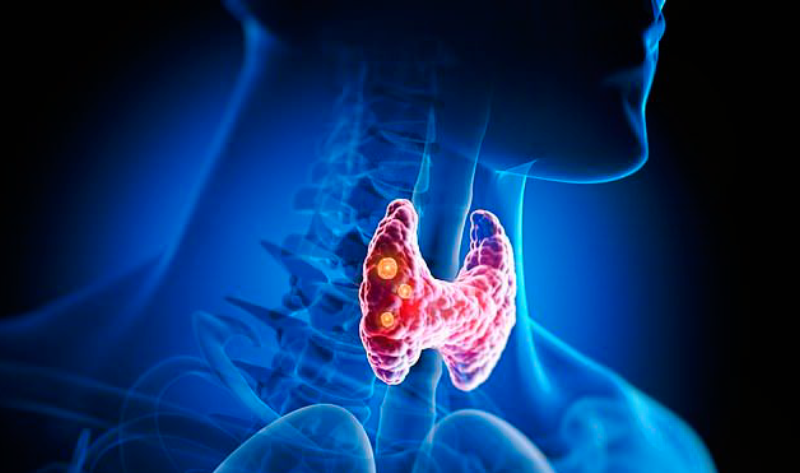
What Are Thyroid Nodules?
FNAC (Fine Needle Aspiration Cytology)
When is FNAC Recommended?
Is Thyroid Evaluation Painful?
Why Early Diagnosis Matters
“Proper thyroid evaluation helps us identify the condition accurately and guide patients
towards the right treatment without unnecessary fear.” — Dr. Sundharrajan
A Stepwise and Safe Diagnostic Approach
The combination of:
Faster recovery
Personalized treatment approach
helps provide a complete understanding of thyroid gland abnormalities.
Not every thyroid nodule is dangerous, but proper testing is essential for accurate diagnosis
and timely management.
“Early evaluation and the right investigations can help identify thyroid problems clearly and
guide appropriate treatment without unnecessary fear.” — Dr. Sundharrajan
Conclusion
Thyroid disorders should never be ignored, especially when symptoms persist or neck
swelling is noticed. A proper three-step thyroid evaluation helps identify hormone imbalance, detect thyroid nodules, and understand their nature accurately.
With timely diagnosis and expert guidance, thyroid conditions can be managed effectively
and safely.
Frequently Asked Questions (FAQ)
Is every thyroid nodule cancerous?
No. Most thyroid nodules are benign and non-cancerous.
Is FNAC painful?
FNAC is a minimally invasive procedure and usually causes only mild discomfort.
Why is ultrasound important in thyroid evaluation?
Ultrasound helps detect nodules, their size, and structural changes in the thyroid gland.
Can thyroid problems occur without symptoms?
Yes. Some thyroid conditions may remain silent and are detected only during routine
evaluation.
When should I consult a doctor for thyroid problems?
If you experience fatigue, neck swelling, unexplained weight changes, or persistent symptoms, medical evaluation is recommended.