Diabetic Foot and Diabetic Ulcer Treatment
Reach out Us
Advanced Diabetic Foot & Diabetic Ulcer Treatment in Perungalathur, Urapakkam & Guduvancherry
Diabetic foot problems are one of the most serious complications of uncontrolled diabetes. Even a small cut, blister, or wound on the foot can gradually progress into a severe infection or non-healing ulcer if not treated early. Many diabetic patients ignore minor wounds due to reduced sensation in the feet, leading to delayed treatment and increased risk of complications.
Modern diabetic wound care focuses not only on healing ulcers but also on preserving circulation, preventing infection, improving tissue regeneration, and reducing the risk of amputation.
At Dr. Sundhar Surgical & Regenerative Center, we provide advanced diabetic foot treatment in Perungalathur for patients from Urapakkam, Guduvancherry, Tambaram, Vandalur, Mudichur, Mannivakkam, and surrounding GST Road regions. Our approach combines advanced wound care, regenerative therapies, infection management, vacuum-assisted dressing, grafting techniques, and limb salvage strategies for better healing outcomes.
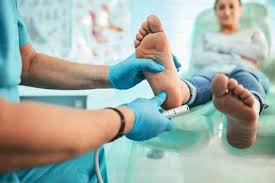
What Is Diabetic Foot?
Diabetic foot refers to foot complications caused by diabetes-related nerve damage, poor blood circulation, infection, and delayed wound healing.
High blood sugar levels over time can damage:
✅ Nerves in the feet
✅ Blood vessels
✅ Skin and tissues
✅ Immune response
As a result, even small injuries may become serious non-healing wounds.
Why Are Diabetic Foot Problems Dangerous?
Many diabetic patients may not feel pain due to nerve damage, which delays wound detection.
Without proper treatment:
✅ Small wounds may enlarge
✅ Infection may spread deeper
✅ Tissue damage may increase
✅ Gangrene may develop
✅ Amputation risk may increase
Early diagnosis and specialized diabetic wound care are extremely important.
Early Signs of Diabetic Foot You Should Never Ignore
Recognizing early symptoms can help prevent severe complications.
Warning Signs Include:
✅ Numbness or tingling in feet
✅ Burning sensation
✅ Reduced sensation
✅ Foot swelling
✅ Skin discoloration
✅ Cracks or dryness in skin
✅ Corns or calluses
✅ Non-healing wounds
✅ Foot pain while walking
✅ Pus discharge
✅ Foul smell from wounds
Any wound in a diabetic patient that does not heal properly should be evaluated immediately.
Why Do Diabetic Wounds Not Heal?
✅ Diabetes Affects Natural Healing Mechanisms – Several factors contribute to delayed wound healing in diabetic patients.
✅ Poor Blood Circulation – Reduced blood flow limits oxygen and nutrient supply to tissues.
✅ Nerve Damage (Neuropathy) – Loss of sensation delays injury detection.
✅ High Blood Sugar Levels – Elevated glucose weakens the immune system and slows tissue repair.
✅ Increased Infection Risk – Diabetic wounds are more prone to bacterial infection.
✅ Repeated Pressure on Feet – Walking on injured areas delays healing further.
Because of these factors, diabetic wounds often require specialized advanced wound care rather than routine dressing alone.
Common Symptoms of Diabetic Foot Ulcers
Symptoms May Include:
✅ Open sores on the foot
✅ Redness and swelling
✅ Pus discharge
✅ Bad odor from wound
✅ Blackened skin
✅ Persistent pain or numbness
✅ Difficulty walking
✅ Fever in severe infection
Diabetic ulcers commonly develop on:
✅ Toes
✅ Heel
✅ Sole of foot
✅ Pressure-bearing areas
Fast Ways to Heal Diabetic Ulcers
Early & Advanced Wound Care Is Important
Healing diabetic ulcers requires a combination of:
✅ Blood sugar control
✅ Infection management
✅ Pressure relief
✅ Advanced wound dressing
✅ Circulation improvement
✅ Regenerative therapies
Important Measures Include:
✅ Regular wound cleaning
✅ Removing dead tissue (debridement)
✅ Proper dressing changes
✅ Offloading pressure from foot
✅ Nutrition support
✅ Specialized diabetic footwear
Early intervention improves healing success and reduces complications.
PRP & Regenerative Techniques for Diabetic Ulcers
What Is PRP Therapy for Diabetic Wounds?
PRP (Platelet-Rich Plasma) therapy uses concentrated healing factors derived from the patient’s own blood to support tissue repair and wound healing.
Regenerative wound care aims to:
✅ Improve tissue regeneration
✅ Enhance blood vessel formation
✅ Stimulate collagen production
✅ Accelerate wound healing
✅ Reduce chronic inflammation
Benefits of PRP & Regenerative Therapy
Potential Advantages Include:
✅ Faster healing response
✅ Improved tissue repair
✅ Better wound closure
✅ Enhanced circulation support
✅ Reduced chronic inflammation
✅ Improved healing in difficult wounds
These therapies may be beneficial for:
✅ Chronic diabetic ulcers
✅ Slow-healing wounds
✅ Patients with poor circulation
✅ Recurrent diabetic foot ulcers
Grafting for Diabetic Ulcers
What Is Skin Grafting?
Skin grafting may be recommended for larger diabetic wounds or ulcers that fail to heal with standard treatment.
The procedure involves placing healthy skin or specialized wound coverage material over the ulcer to support healing.
Benefits of Grafting in Diabetic Ulcer Care
Grafting May Help:
✅ Cover exposed tissue
✅ Promote faster healing
✅ Reduce infection risk
✅ Improve wound closure
✅ Support tissue regeneration
✅Reduce long-term complications
Advanced wound reconstruction techniques are often used for complex diabetic ulcers.
Vacuum Dressing for Diabetic Ulcers
What Is Vacuum-Assisted Wound Therapy?
Vacuum dressing, also called negative pressure wound therapy (NPWT), uses controlled suction to help diabetic wounds heal more effectively.
This therapy helps:
✅ Remove excess fluid
✅ Reduce swelling
✅ Improve blood circulation
✅ Promote healthy tissue growth
✅ Reduce bacterial contamination
Benefits of Vacuum Dressing
Advantages Include:
✅ Faster wound healing
✅ Better infection control
✅ Improved circulation
✅ Reduced wound size
✅ Enhanced tissue formation
✅ Improved healing environment
Vacuum-assisted therapy is commonly used for:
✅ Deep diabetic ulcers
✅ Infected wounds
✅ Large chronic ulcers
✅ Post-surgical diabetic wounds
Best Treatment for Diabetic Foot Ulcers
Treatment Depends on Severity of the Wound
Effective diabetic ulcer management usually combines multiple approaches.
Treatment May Include:
✅ Blood sugar control
✅ Antibiotics
✅ Debridement
✅ Advanced wound dressings
✅ Vacuum therapy
✅ PRP & regenerative therapy
✅ Skin grafting
✅ Vascular evaluation
✅ Pressure offloading
✅ Surgical management if needed
Early multidisciplinary care improves healing and helps preserve the limb.
When Is Surgery Needed for Diabetic Foot?
Surgery May Be Necessary in Severe Cases
Surgical treatment may be required when:
✅ Infection spreads deeply
✅ Dead tissue develops
✅ Abscess forms
✅ Bone infection occurs
✅ Gangrene develops
✅ Conservative treatment fails
The goal of surgery is to:
✅ Remove infected tissue
✅ Preserve healthy tissue
✅ Improve wound healing
✅ Prevent major amputation whenever possible
Can Diabetic Foot Lead to Amputation?
Severe Untreated Infection May Increase Amputation Risk
Untreated diabetic wounds can gradually worsen and spread deeper into tissues and bone.
Risk Factors for Amputation Include:
✅ Delayed treatment
✅ Severe infection
✅ Gangrene
✅ Poor circulation
✅ Bone infection
✅ Uncontrolled diabetes
Early diagnosis, proper wound care, and advanced limb salvage techniques can significantly reduce amputation risk.
Warning Signs Before Gangrene Develops
Gangrene is a serious condition involving tissue death due to severe infection or poor circulation.
Warning Signs Include:
✅ Blackened skin
✅ Severe foul smell
✅ Persistent discharge
✅ Increasing swelling
✅ Severe redness
✅ Fever with wound infection
✅ Cold or numb foot
✅ Rapid tissue damage
Gangrene requires urgent medical attention to prevent further spread.
Advanced Wound Care Options for Diabetic Patients
Modern diabetic wound management often involves advanced technologies and regenerative approaches.
Advanced Treatment Options Include:
✅ Vacuum-assisted wound therapy
✅ PRP therapy
✅ Regenerative wound healing techniques
✅ Advanced dressings
✅ Debridement
✅ Skin grafting
✅ Infection control
✅ Limb salvage procedures
✅ Circulation evaluation
Personalized wound care plans improve healing outcomes and reduce complications.
Daily Foot Care Routine for Diabetic Patients
Preventive Foot Care Is Extremely Important
Daily diabetic foot care helps prevent ulcers and infection.
Important Foot Care Tips
✅ Inspect feet daily
✅ Wash and dry feet properly
✅ Moisturize dry skin
✅ Avoid walking barefoot
✅ Trim nails carefully
✅ Wear proper footwear
✅ Check for cuts or blisters
✅ Avoid tight shoes
✅ Maintain blood sugar control
Early detection of small injuries helps prevent major complications.
How to Prevent Diabetic Foot Complications
Prevention Is Better Than Advanced Treatment
Prevention Measures Include:
✅ Good diabetes control
✅ Regular foot examination
✅ Early treatment of wounds
✅ Proper footwear
✅ Smoking cessation
✅ Healthy circulation support
✅ Regular medical follow-up
✅ Exercise and healthy diet
Preventive diabetic foot care plays a major role in reducing hospitalization and amputation risk.
Advanced Diabetic Foot Treatment in Chennai – What Patients Can Expect
Patients seeking diabetic foot treatment in Chennai and surrounding regions increasingly prefer specialized wound care centers offering:
✅ Advanced diabetic wound management
✅ Regenerative therapies
✅ Limb salvage techniques
✅ Vacuum-assisted wound care
✅ Multidisciplinary diabetic foot care
✅ Faster healing approaches
At Dr. Sundhar Surgical & Regenerative Center, we focus on comprehensive diabetic foot management with advanced wound healing strategies and personalized treatment planning.
Common Diabetic Foot Problems & Advanced Treatment Options
Why Choose Dr. Sundhar for Diabetic Foot Treatment in Perungalathur?
Patients from Perungalathur, Urapakkam, Guduvancherry, Tambaram, Vandalur, and nearby regions trust our center for advanced diabetic wound care.
Our Treatment Approach Includes:
✅ Advanced diabetic ulcer management
✅ PRP & regenerative wound therapy
✅ Vacuum-assisted dressing
✅ Skin grafting procedures
✅ Limb salvage techniques
✅ Personalized wound care planning
✅ Comprehensive postoperative care
✅ Patient-centered diabetic management
Conclusion
Diabetic foot complications can progress rapidly from small wounds to severe infection, gangrene, and even amputation if left untreated. Early diagnosis, specialized wound care, blood sugar control, and advanced regenerative treatments play a critical role in improving healing outcomes and preserving mobility. Modern diabetic wound management now offers advanced options such as PRP therapy, vacuum-assisted dressing, grafting, and limb salvage techniques for better recovery and reduced complications.
At Dr. Sundhar Surgical & Regenerative Center, we provide advanced diabetic foot treatment for patients across Perungalathur, Urapakkam, Guduvancherry, Tambaram, and surrounding regions.
Book Your Diabetic Foot Consultation Today
Experiencing non-healing wounds, swelling, foot ulcers, discoloration, or diabetic foot symptoms? Early treatment can help prevent serious complications and support faster healing.
Contact Dr. Sundhar Surgical & Regenerative Center today for advanced diabetic foot and diabetic ulcer treatment in Perungalathur.
Serving Patients Across:
📍 Perungalathur
📍 Urapakkam
📍 Guduvancherry
📍 Tambaram
📍 Vandalur
📍 Mudichur
📍 Mannivakkam
📍 Surrounding GST Road Areas
Frequently Asked Questions (FAQ)
Why do diabetic wounds heal slowly?
Poor blood circulation, nerve damage, infection risk, and high blood sugar levels slow the natural healing process.
Can diabetic foot ulcers heal completely?
Yes. With early diagnosis, proper wound care, blood sugar control, and advanced treatment, many diabetic ulcers can heal successfully.
Is PRP therapy useful for diabetic ulcers?
PRP therapy may help support tissue repair, improve healing response, and promote wound regeneration in selected patients.
When is surgery needed for diabetic foot?
Surgery may be necessary when infection spreads deeply, gangrene develops, or conservative wound care fails.
Can diabetic foot lead to amputation?
Severe untreated diabetic infection may increase amputation risk, but early specialized wound care can help preserve the limb.
🏆 Our Achievements in Numbers
Happy Patients Treated
Emergency Cases Handled
Years of Medical Excellence
Expert Doctors & Specialists
Related Blogs