
Introduction to Endoscopy and Colonoscopy
When it comes to understanding our bodies, knowledge is power. Two medical procedures often mentioned in the same breath are endoscopy and colonoscopy. Understanding endoscopy vs colonoscopy is crucial for making informed healthcare decisions, as these procedures serve distinct purposes despite their similarities. Whether you’re facing routine screening or investigating specific health concerns, knowing the key differences between these two procedures can help you navigate your healthcare journey confidently. Let’s explore what sets endoscopy apart from colonoscopy and why each may be vital for your well-being.

Understanding the Purpose of Each Procedure
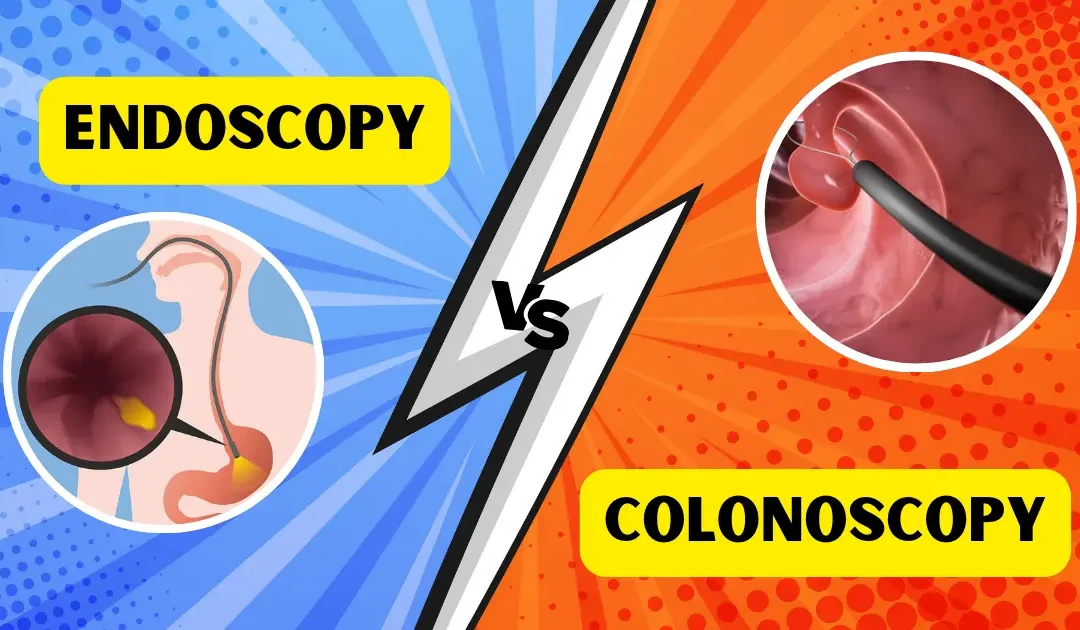
Endoscopy and colonoscopy serve distinct purposes, despite their similarities. An endoscopy is a broader procedure that examines the upper digestive tract. It helps diagnose issues in areas like the esophagus, stomach, and duodenum.
Colonoscopy zeroes in on the lower gastrointestinal system. This procedure focuses exclusively on the colon and rectum to identify abnormalities such as polyps or signs of inflammatory bowel disease.
Both procedures utilize flexible tubes equipped with cameras but target different regions of your body. Understanding these differences can guide patients toward addressing specific health concerns effectively. If you’re seeking expert care in Chennai, consulting the best endoscopy doctors in Chennai ensures you receive accurate diagnosis and personalized treatment.
While both aim to uncover hidden issues, they cater to unique diagnostic needs. Knowing which test aligns with your symptoms is essential for receiving appropriate care.
Preparation for Endoscopy and Colonoscopy
When comparing endoscopy vs colonoscopy, preparation requirements differ significantly based on the area being examined. Your doctor will provide detailed instructions tailored to your situation.
For both procedures, fasting is often required. This typically means avoiding solid foods for at least 8 hours prior. Clear liquids may be allowed, but it’s crucial to follow your healthcare provider’s guidelines.
If you’re undergoing a colonoscopy, you’ll likely need a bowel prep that cleans out the intestines. This usually consists of drinking a special solution or taking laxatives the day before the procedure.
Medications are another important aspect of preparation. You might need to adjust or temporarily stop certain medications, especially blood thinners or diabetes drugs.
It’s also wise to arrange for someone to accompany you home post-procedure due to sedation effects in many cases. Taking these preparations seriously can lead to better outcomes and minimize complications during the procedure.
Procedure Process and Duration
The debate of endoscopy vs colonoscopy extends to procedural differences in execution and duration. During an endoscopy, a flexible tube with a camera is inserted through the mouth or nose to examine the upper digestive tract. The procedure typically lasts about 15 to 30 minutes.
Colonoscopy involves inserting a similar device into the rectum to visualize the colon and lower intestinal tract. This process usually takes longer, ranging from 30 minutes to an hour, depending on what your doctor finds.
Both procedures are performed under sedation, ensuring patient comfort throughout. Afterward, patients may need some time for recovery as the sedative wears off before they can go home.
The duration of these procedures allows doctors ample time to identify any abnormalities while minimizing discomfort for patients. Understanding this aspect helps individuals prepare mentally for what lies ahead during their medical appointments. For comprehensive endoscopic care, visit here to learn about advanced diagnostic options.
Risks and Complications
Both endoscopy and colonoscopy carry potential risks, though they are generally considered safe procedures. Understanding these complications is crucial for informed decision-making.
For endoscopies, patients may experience throat irritation, bleeding, or adverse reactions to sedation. Rarely, perforation of the esophagus can occur. Such risks are usually minimal but worth discussing with your healthcare provider.
Colonoscopy also has its own set of concerns. Bleeding from biopsy sites is possible as well as bowel perforation. Additionally, some individuals might react negatively to sedatives used during the procedure.
The likelihood of severe complications remains low for both tests. However, awareness helps in recognizing any unusual symptoms post-procedure that may require immediate medical attention. Always consult with a qualified professional about specific risks related to your health history before undergoing either procedure.
Recovery and Follow-Up Care
Recovery after an endoscopy or colonoscopy typically involves some downtime. Most patients feel groggy from sedation and may need assistance getting home. It’s essential to have someone accompany you, as driving isn’t advisable for the remainder of the day.
Post-procedure, mild discomfort is common. You might experience bloating or cramping, especially after a colonoscopy due to air used during the procedure. These sensations usually fade within a few hours.
Follow-up care varies based on findings during your procedure. If polyps were removed or biopsies taken, your doctor will schedule a follow-up appointment to discuss results and any further actions needed. Expert gastroenterologists specializing in endoscopic procedures can provide comprehensive post-procedure support.
Listening to your body is crucial in recovery. If you notice severe pain, prolonged bleeding, or signs of infection like fever, it’s important to contact your healthcare provider promptly for guidance and support.
Which Procedure is Right for You?
Choosing between endoscopy vs colonoscopy can feel overwhelming, but your specific symptoms and medical history play a significant role in this decision.
If you are experiencing gastrointestinal issues such as nausea, vomiting, or difficulty swallowing, an endoscopy may be the better option. This procedure focuses on examining your upper digestive tract.
On the other hand, if your concerns revolve around bowel habits—like unexplained changes or rectal bleeding—a colonoscopy is more appropriate. It provides a thorough look at your large intestine.
Consulting with your healthcare provider is crucial. They will consider factors like age, family history, and any previous conditions to guide you toward the best choice for precise diagnosis and treatment. Seeking guidance from Dr. Sundhar’s endoscopy services ensures you receive expert recommendations tailored to your health needs.
Conclusion
The distinction between endoscopy vs colonoscopy is essential to understand, as both are valuable diagnostic tools in modern medicine but serve different purposes and target different areas of the body.
Endoscopy is a versatile procedure that allows doctors to examine various organs using an endoscope. It’s commonly used for conditions affecting the esophagus, stomach, and upper digestive tract. On the other hand, a colonoscopy targets the large intestine and rectum specifically, helping detect early signs of colorectal cancer or inflammatory bowel disease.
Preparation varies between procedures but typically involves fasting and possibly taking laxatives for a clear view during examination. The process duration can also differ significantly; while both involve sedation for comfort, their length may depend on what your doctor needs to investigate.
As with any medical procedure, there are risks involved—though they are generally low when performed by trained professionals. Patients should discuss potential complications with their healthcare provider beforehand.
Post-procedure recovery includes monitoring vital signs and addressing any discomfort experienced during or after sedation. Follow-up care will be tailored based on findings from either test.
Choosing the right procedure ultimately depends on individual health concerns discussed with a healthcare professional. Their guidance ensures you receive the appropriate assessment based on symptoms or risk factors present in your situation. Being informed about these differences empowers patients to make confident decisions regarding their health journey.