Fissure and Fistula Treatment
Reach out Us
Advanced Facial Rejuvenation Treatment in Perungalathur, Urapakkam & Guduvancherry
Anal fissures and fistulas are common anorectal conditions that can significantly affect comfort, bowel habits, daily activities, and overall quality of life. Many patients silently suffer from pain, bleeding, swelling, or discharge for months due to embarrassment, fear of surgery, or confusion about the condition. Unfortunately, delaying treatment often leads to worsening symptoms, recurrent infection, chronic pain, and more complicated treatment later.
Modern medical advancements have transformed fissure and fistula treatment with minimally invasive laser procedures that offer reduced pain, improved healing, and faster recovery compared to traditional surgical methods.
At Dr. Sundhar Surgical & Regenerative Center, we provide advanced fissure and fistula treatment in Perungalathur for patients from Urapakkam, Guduvancherry, Tambaram, Vandalur, Mudichur, Mannivakkam, and surrounding GST Road regions. Our approach focuses on accurate diagnosis, personalized treatment planning, minimally invasive techniques, and long-term symptom relief.

What Is an Anal Fissure?
An anal fissure is a small tear or crack in the inner lining of the anal canal. Although the tear may appear small, it can cause intense pain because the anal region contains highly sensitive nerve endings.
Fissures commonly occur due to excessive strain or trauma during bowel movements.
Common Causes of Anal Fissure
Several factors may contribute to fissure formation.
Common Risk Factors Include:
✅ Chronic constipation
✅ Passing hard stools
✅ Excessive straining during bowel movements
✅ Low-fiber diet
✅ Inadequate water intake
✅ Chronic diarrhea
✅ Pregnancy and childbirth
✅ Sedentary lifestyle
✅ Obesity
✅ Anal muscle spasm
Repeated trauma during bowel movements prevents proper healing and may lead to chronic fissures.
Types of Anal Fissure
✅ Acute Anal Fissure – Recent fissures that develop suddenly and may heal with early medical treatment and lifestyle changes.
✅ Chronic Anal Fissure – Long-standing fissures that persist for several weeks and may involve scar tissue formation, recurrent pain, and difficulty healing naturally.
Chronic fissures often require procedural treatment for permanent relief.
Common Symptoms of Anal Fissure
Symptoms May Include:
✅ Sharp cutting pain during bowel movements
✅ Burning sensation after passing stools
✅ Bright red bleeding
✅ Fear of passing stools due to pain
✅ Constipation caused by avoiding bowel movements
✅ Itching and irritation
✅ Small crack near the anal opening
Many patients describe fissure pain as severe burning or tearing discomfort that may continue for several hours after bowel movements.
What Is an Anal Fistula?
An anal fistula is an abnormal tunnel or infected tract that develops between the anal canal and the skin around the anus. Fistulas usually occur after an anal abscess or infection fails to heal completely.
Unlike fissures, fistulas often involve chronic infection and repeated discharge.
Common Causes of Anal Fistula
Causes May Include:
✅ Previous anal abscess
✅ Recurrent infection
✅ Blocked anal glands
✅ Crohn’s disease
✅ Inflammatory bowel disease
✅ Tuberculosis-related infection
✅ Previous anorectal surgery
✅ Trauma or injury
In many patients, fistulas develop gradually after repeated infection or untreated abscess formation.
Symptoms of Anal Fistula
Common Symptoms Include:
✅ Pus discharge near the anus
✅ Swelling and redness
✅ Recurrent painful boils
✅ Persistent infection
✅ Pain while sitting
✅ Fever in severe infection
✅ Foul-smelling discharge
✅ Skin irritation around the anal area
Some fistulas repeatedly drain and temporarily improve before recurring again.
Difference Between Fissure, Fistula & Piles
Many patients confuse these conditions because they all affect the anal region. However, their causes, symptoms, and treatments are different.
| Condition | Common Features |
|---|---|
| Anal Fissure | ✅ Tear in the anal lining ✅ Severe pain during stools ✅ Burning sensation and bleeding |
| Anal Fistula | ✅ Infected tunnel near anus ✅ Pus discharge and recurrent infection ✅ Swelling and abscess formation |
| Piles (Haemorrhoids) | ✅Swollen blood vessels ✅ Bleeding and swelling ✅Pain and itching may occur |
Proper diagnosis by a specialist is important because incorrect self-treatment may worsen symptoms.
When Should You See a Doctor?
Many patients try home remedies for long periods before consulting a doctor. However, persistent symptoms should never be ignored.
Consult a Specialist If You Experience:
✅ Severe pain during bowel movements
✅ Repeated bleeding
✅ Swelling near the anus
✅ Pus discharge
✅ Fever with anal pain
✅ Difficulty sitting comfortably
✅ Chronic constipation
✅ Recurrent boils or abscesses
✅ Symptoms lasting several weeks
Early diagnosis helps prevent complications and improves treatment outcomes.
Can Fissures Heal Without Surgery?
Early Fissures May Improve with Conservative Treatment
Acute fissures may sometimes heal with:
✅ High-fiber diet
✅ Increased water intake
✅ Stool softeners
✅ Warm sitz baths
✅ Medications
✅ Bowel habit correction
✅ Lifestyle modifications
These treatments help reduce strain during bowel movements and support healing.
However, chronic fissures that persist for several weeks may not heal completely without procedural intervention.
Why Do Fissures Become Chronic?
Chronic Fissures Often Persist Due To:
✅ Repeated constipation
✅ Persistent anal muscle spasm
✅ Poor bowel habits
✅ Delayed treatment
✅ Recurrent trauma during stools
Without proper treatment, chronic fissures may continue causing pain and repeated bleeding.
Can Anal Fistula Heal Without Surgery?
Most Fistulas Usually Require Procedural Treatment
Unlike fissures, fistulas generally involve infected tracts that rarely close permanently on their own.
Temporary symptom relief may occur when discharge drains, but the infection often returns repeatedly if the fistula tract is not treated properly.
Delaying treatment may increase the risk of:
✅ Recurrent abscess formation
✅ Persistent infection
✅ Multiple fistula tracts
✅ Chronic pain
✅ Tissue damage
Laser Treatment for Fissure & Fistula
What Is Laser Treatment?
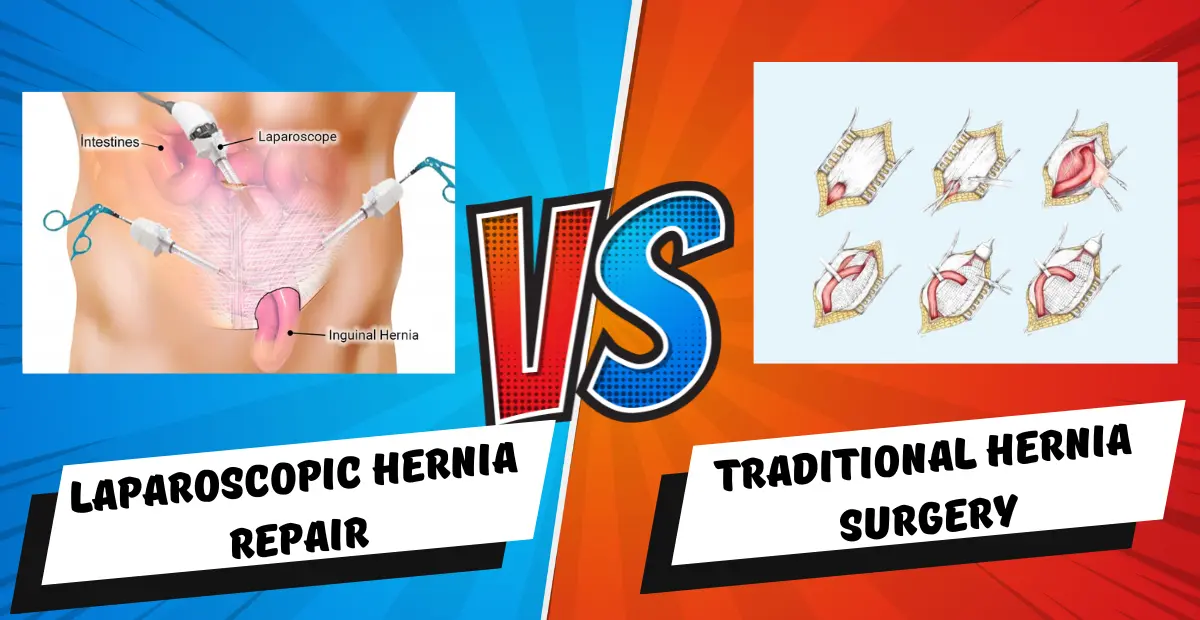
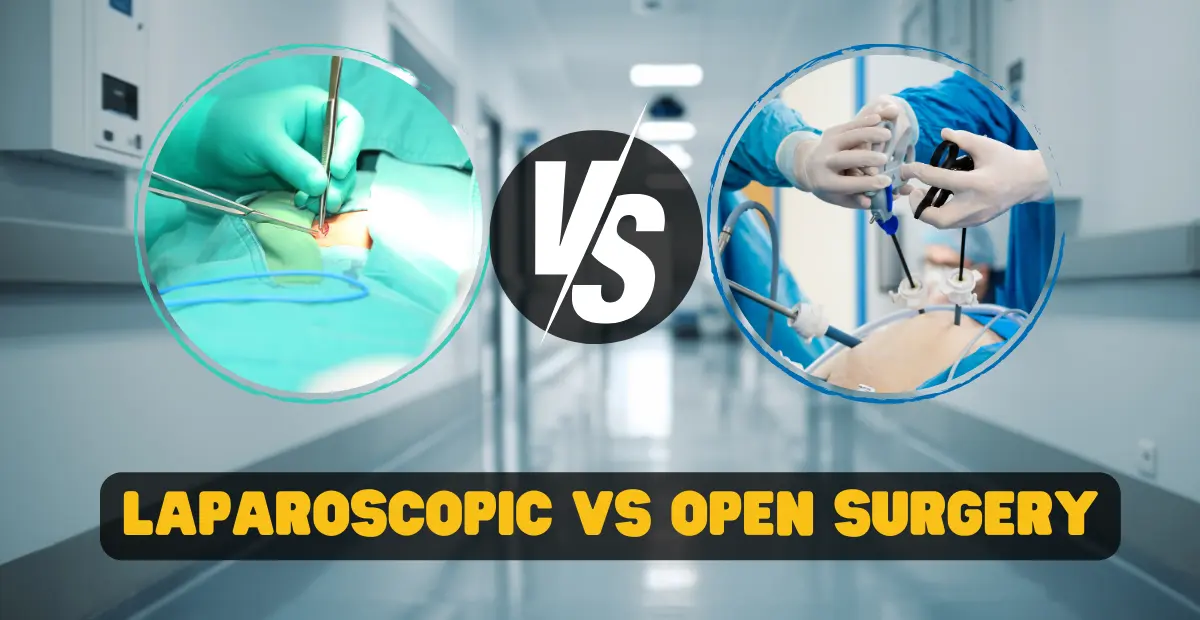
Laser treatment is a modern minimally invasive approach that uses laser energy to treat fissures and fistulas with minimal damage to surrounding tissues.
Compared to traditional surgery, laser procedures are designed to:
✅ Reduce pain
✅ Minimize bleeding
✅ Improve healing
✅ Shorten recovery time
✅ Reduce postoperative discomfort
Laser procedures are increasingly preferred by patients seeking faster recovery and less painful treatment.
Benefits of Laser Fissure & Fistula Treatment
Advantages Include:
✅ Minimal postoperative pain
✅ Reduced bleeding
✅ Faster healing
✅ Smaller wounds
✅ Lower infection risk
✅ Minimal tissue damage
✅ Shorter hospital stay
✅ Earlier return to routine activities
✅ Improved patient comfort
Modern minimally invasive techniques have significantly improved patient experience and recovery outcomes.
Is Fissure or Fistula Surgery Painful?
Modern Treatment Methods Have Improved Recovery Comfort
One of the biggest fears among patients is postoperative pain. Traditional anorectal surgery was often associated with longer recovery and discomfort. However, modern laser procedures have significantly improved patient comfort.
Compared to traditional surgery:
✅ Tissue injury is minimized
✅ Bleeding is reduced
✅ Recovery is faster
✅ Pain is more manageable
Most patients recover comfortably with:
✅ Pain management medications
✅ Proper wound care
✅ Dietary support
✅ Bowel management guidance
Recovery After Fissure & Fistula Treatment
Recovery varies depending on:
✅ Severity of the condition
✅ Presence of infection
✅ Type of procedure performed
✅ Overall patient health
✅ Bowel habits
General Recovery Timeline
✅ Walking: Usually same day
✅ Light activities: Within a few days
✅ Office work: Around 3–7 days
✅ Complete healing: Several weeks depending on severity
Following postoperative instructions carefully is important for smooth healing and reduced recurrence risk.
Why Do Fissures & Fistulas Keep Coming Back?
Common Causes of Recurrence
Fissure Recurrence May Be Linked To:
✅ Chronic constipation
✅ Low-fiber diet
✅ Poor hydration
✅ Delayed bowel movements
✅ Excessive straining
Fistula Recurrence May Be Linked To:
✅ Persistent infection
✅ Incomplete healing
✅ Complex fistula tracts
✅ Delayed treatment
✅ Poor wound care
Long-term bowel care and lifestyle management are important for preventing recurrence.
Complications of Untreated Fissure & Fistula
Ignoring symptoms may increase the risk of:
✅ Severe chronic pain
✅ Persistent bleeding
✅ Recurrent abscesses
✅ Infection spread
✅ Chronic discharge
✅ Difficulty sitting comfortably
✅ Reduced quality of life
✅ Multiple fistula tract formation
Early diagnosis and treatment help avoid progression and support better long-term outcomes.
Lifestyle Tips to Prevent Fissure & Fistula Problems
Healthy Bowel Habits Are Essential
Prevention Tips
✅ Eat fiber-rich foods
✅ Drink plenty of water
✅ Avoid constipation
✅ Exercise regularly
✅ Avoid excessive straining
✅ Maintain proper anal hygiene
✅ Avoid prolonged sitting
✅ Seek early medical care for symptoms
Simple lifestyle changes can significantly reduce recurrence risk.
Advanced Fissure & Fistula Treatment in Chennai – What Patients Can Expect
Patients seeking fissure and fistula treatment in Chennai and surrounding regions increasingly prefer minimally invasive laser procedures due to:
✅ Reduced postoperative pain
✅ Faster healing
✅ Minimal bleeding
✅ Shorter recovery time
✅ Better patient comfort
✅ Reduced hospital stay
At Dr. Sundhar Surgical & Regenerative Center, we focus on patient-centered anorectal care using modern minimally invasive techniques and comprehensive postoperative recovery support.
Common Fissure & Fistula Conditions and Treatment Options
Why Choose Dr. Sundhar for Fissure & Fistula Treatment in Perungalathur?
Patients from Perungalathur, Urapakkam, Guduvancherry, Tambaram, Vandalur, and nearby areas trust our center for advanced anorectal care.
Our Treatment Approach Includes:
✅ Advanced laser fissure & fistula treatment
✅ Personalized diagnosis and treatment planning
✅ Modern minimally invasive procedures
✅ Detailed anorectal evaluation
✅ Faster recovery protocols
✅ Comprehensive postoperative care
✅ Patient-focused surgical management
Conclusion
Anal fissures and fistulas can cause severe pain, infection, bleeding, swelling, and difficulty during daily activities if left untreated. Early diagnosis and proper treatment help prevent chronic complications, recurrent infection, and worsening discomfort. Modern laser and minimally invasive treatments offer safer procedures, faster recovery, reduced pain, and improved patient comfort compared to traditional surgical approaches.
At Dr. Sundhar Surgical & Regenerative Center, we provide advanced fissure and fistula treatment for patients across Perungalathur, Urapakkam, Guduvancherry, Tambaram, and surrounding regions.
Book Your Consultation Today
Experiencing anal pain, bleeding, swelling, pus discharge, or discomfort during bowel movements? Early consultation can help prevent complications and support faster recovery.
Contact Dr. Sundhar Surgical & Regenerative Center today to schedule your consultation for advanced hernia surgery in Perungalathur.
Serving Patients Across:
📍 Perungalathur
📍 Urapakkam
📍 Guduvancherry
📍 Tambaram
📍 Vandalur
📍 Mudichur
📍 Mannivakkam
📍 Surrounding GST Road Areas
Frequently Asked Questions (FAQ)
Can fissures heal naturally?
Acute fissures may improve with medications, diet changes, and bowel care, but chronic fissures may require procedural treatment.
Does fistula require surgery?
Most fistulas usually require procedural or surgical treatment because infected tracts rarely heal permanently on their own.
Is laser treatment effective for fistula?
Laser fistula treatment is minimally invasive and may help reduce pain, bleeding, and recovery time in suitable patients.
How long does recovery take after fissure or fistula treatment?
Many patients resume light activities within a few days, while complete healing depends on the severity and type of procedure.
Can fissure and fistula recur after treatment?
Recurrence is possible if constipation, infection, or poor bowel habits continue. Proper treatment and lifestyle management help reduce recurrence risk.
🏆 Our Achievements in Numbers
Happy Patients Treated
Emergency Cases Handled
Years of Medical Excellence
Expert Doctors & Specialists
Related Blogs