
Introduction to Endoscopy
Endoscopy is a fascinating medical procedure that allows doctors to look inside the body with remarkable clarity. Imagine peering into your digestive system or respiratory tract without invasive surgery. It’s like having a tiny camera on a mission, exploring areas that are otherwise hidden from view. Whether for diagnosis or treatment, understanding how endoscopy works can empower you as a patient and help demystify this essential tool in modern medicine. To learn more about how endoscopy works in real medical settings, explore this detailed explanation of the Endoscopy procedure and diagnosis process.
If you’re curious about what happens during an endoscopic procedure, the various types available, and their benefits, you’re in the right place! This blog will take you through every step of the process—from preparation to potential risks—so that when it comes time for your own experience, you’ll feel informed and confident. Let’s uncover the intricacies of this vital health examination together!
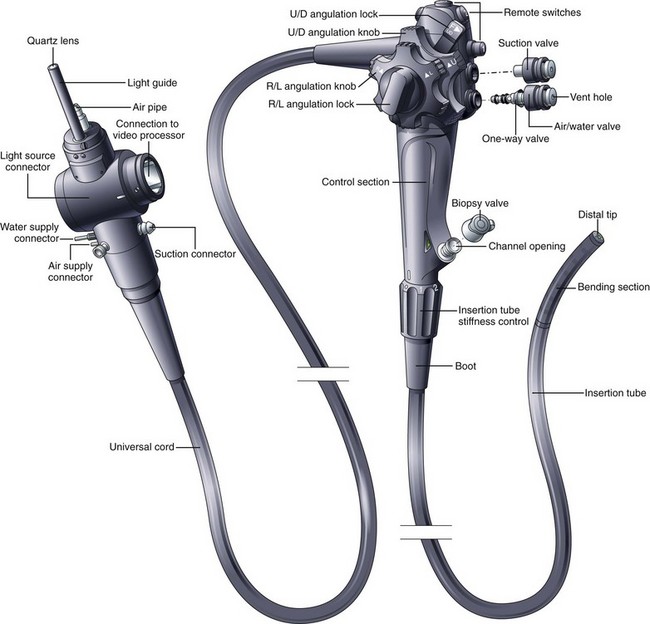
Source:https://clinicalgate.com/how-endoscopes-work/
Understanding the Procedure
Endoscopy is a minimally invasive procedure that allows doctors to visualize the interior of the body. It typically involves inserting a thin, flexible tube equipped with a camera and light source into various channels or cavities.
Before starting, patients may receive sedation for comfort. The doctor then gently guides the endoscope through natural openings or small incisions. This technique minimizes recovery time compared to traditional surgery.
During the procedure, images are transmitted in real-time, enabling precise diagnosis. Some endoscopes can also perform minor procedures like biopsies or removing polyps while visualizing them on-screen.
The length of an endoscopic exam varies depending on its complexity but usually lasts between 15 minutes to an hour. Patients often feel minimal discomfort and can resume normal activities within a day or so after their examination. If you’re considering this procedure and want clarity on what happens step-by-step, this comprehensive guide to endoscopy in Chennai provides more details for patients
Types of Endoscopies and their Purposes
Endoscopy is not a one-size-fits-all procedure. Multiple types exist, each tailored for specific diagnostic and therapeutic purposes.
Gastrointestinal endoscopy evaluates the digestive tract. This includes upper endoscopies to examine the esophagus, stomach, and duodenum. Lower endoscopies focus on the colon and rectum.
Bronchoscopy targets the respiratory system. It allows doctors to visualize airways and lungs, useful in diagnosing conditions like infections or tumors.
Arthroscopy is another type that inspects joints using a small camera. Surgeons can diagnose issues such as torn ligaments or cartilage damage through this method.
Additional variations include cystoscopy for bladder examination and laparoscopy for abdominal surgeries. Each type of endoscopy plays a vital role in medical diagnostics, paving the way for timely treatments tailored to individual patient needs. Patients often confuse which type they need. This complete overview of endoscopy types and uses can help you understand the differences clearly.
Benefits of Endoscopy
Endoscopy offers a range of benefits that make it an essential tool in modern medicine. One of the key advantages is its minimally invasive nature. Unlike traditional surgeries, endoscopic procedures often require only small incisions or no incisions at all.
Patients experience quicker recovery times. Many can return to regular activities within days rather than weeks. This less invasive approach also leads to reduced pain and scarring.
Another significant benefit is the ability to diagnose conditions accurately. Endoscopes provide real-time visuals of internal organs, allowing doctors to identify issues such as tumors or inflammation with greater precision.
Additionally, therapeutic interventions can be performed during the same procedure. This means patients may receive treatment immediately after diagnosis without needing another surgical visit.
The overall safety profile of endoscopy has improved significantly over time, making it a reliable option for various medical evaluations and interventions. If you want to know whether you’re a suitable candidate, this page explains when endoscopy is recommended and how it benefits patients.
Preparing for an Endoscopy
Preparing for an endoscopy involves several important steps to ensure a smooth experience. Your doctor will give you specific instructions based on the type of procedure you’ll undergo.
Typically, fasting is required for several hours prior to the exam. This means no food or drink, allowing your digestive tract to be clear.
If you’re taking medications, discuss these with your healthcare provider. Some might need adjustments before the procedure, especially blood thinners or other prescription drugs.
Arranging transportation is crucial as sedatives are often used during the process. You won’t be able to drive yourself home afterward due to lingering drowsiness.
Wearing comfortable clothing can make a big difference in how you feel during your visit. Being relaxed helps set a positive tone for the entire day ahead of you. For those preparing for an upcoming appointment, review this patient-friendly endoscopy guide for everything you should know before your procedure.
Risks and Complications
Like any medical procedure, endoscopy comes with its own set of risks. While complications are rare, it’s important to be aware of them.
One potential risk is bleeding. This can occur especially if biopsies are taken or if the gastrointestinal lining is damaged during the procedure. Infection is another concern, although healthcare professionals take precautions to minimize this possibility.
Perforation, or a tear in the organ being examined, is a serious but infrequent complication. It requires immediate attention and often surgical intervention.
Some patients may also experience adverse reactions to sedation used during the procedure. These can range from minor side effects to more severe allergic responses.
Being informed about these risks helps patients make educated decisions regarding their health and prepares them for discussions with their doctors before undergoing an endoscopy.
Conclusion
Endoscopy is a valuable medical procedure that provides insights into various health conditions. By understanding how endoscopy works, patients can appreciate its role in diagnostics and treatment. The different types of endoscopies serve distinct purposes, whether for examining the digestive tract or other internal organs.
The benefits are significant, including less invasive options compared to traditional surgery and quicker recovery times. Preparing adequately for an endoscopy ensures a smoother experience while being aware of potential risks helps mitigate concerns.
As healthcare continues to evolve, endoscopy remains a crucial tool in enhancing patient care and outcomes. Embracing this technology fosters better communication between patients and doctors on what to expect during the process. Knowledge empowers individuals to make informed decisions about their health journey with confidence.