

- Introduction to Hernias
- Traditional Hernia Surgery: Procedure and Recovery
- Laparoscopic Hernia Repair: Procedure and Recovery
- Benefits of Laparoscopic Hernia Repair
- Drawbacks of Traditional Hernia Surgery
- Comparison of Cost and Time for Both Procedures
- Factors to Consider When Choosing Between the Two Options
- Success Rates and Risks Associated with Each Method
- Post-Surgery Care and Follow-Up
- Conclusion
Introduction to Hernias
Hernias are common yet often misunderstood medical conditions. They occur when an organ or tissue pushes through a weak spot in the abdominal muscles, leading to discomfort and potential complications if left untreated. If you’ve been diagnosed with a hernia, you might be exploring your surgical options — specifically laparoscopic hernia repair versus traditional open surgery. Many patients who prefer minimally invasive options also research laparoscopic surgery in Chennai to understand the advantages of advanced techniques.
Navigating this decision can feel overwhelming, but understanding the key differences will help you make an informed choice tailored to your needs. Let’s dive into what each procedure entails, their respective advantages and disadvantages, and what factors may influence your decision-making process as we explore laparoscopic vs open hernia surgery.
Traditional Hernia Surgery: Procedure and Recovery
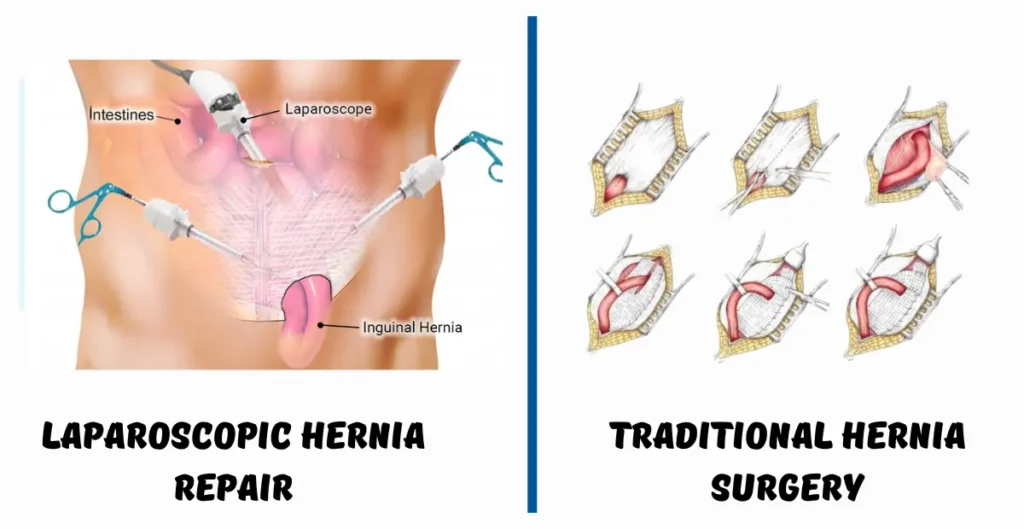
Traditional hernia surgery, often referred to as open hernia repair, involves a larger incision at the site of the hernia. Surgeons push the protruding tissue back into place before reinforcing the abdominal wall with sutures or mesh.
The procedure typically takes one to two hours. Anesthesia is administered for patient comfort during surgery. Recovery begins immediately after, but patients may experience moderate pain and discomfort.
Hospital stays can vary from same-day discharge to overnight observation depending on individual circumstances. It’s crucial for patients to follow post-operative guidelines carefully. If you’re comparing treatment centers, you may also want to check a reputable laparoscopic surgery hospital in Chennai to understand how recovery protocols differ between minimally invasive and open procedures.
Laparoscopic Hernia Repair: Procedure and Recovery
Laparoscopic hernia repair involves a minimally invasive technique. Surgeons use small incisions and specialized instruments to fix the hernia. This method typically includes the use of a camera, allowing for precise visualization of the area.
Patients are usually under general anesthesia during this procedure. After making tiny incisions, surgeons insert a laparoscope, which displays images on a monitor. The actual repair often involves placing mesh over the defect for added support.
Recovery tends to be quicker than traditional methods. Most patients can go home within hours after surgery. Pain is generally manageable with medication, and many people return to normal activities in just a few days. To learn more about similar minimally invasive options, feel free to read more about laparoscopic solutions available in Chennai.
Benefits of Laparoscopic Hernia Repair
Laparoscopic hernia repair offers several advantages that appeal to both patients and surgeons. One of the most notable benefits is the reduced recovery time. Patients often return to their daily activities much faster compared to traditional methods.
Another significant advantage is minimal scarring. The laparoscopic approach uses small incisions, which means fewer visible marks on the body. This can be especially important for those concerned about aesthetics post-surgery.
Additionally, many patients experience less postoperative pain with laparoscopic techniques. This leads to a decreased need for pain medication and a more comfortable healing process. Many individuals choosing this approach also consult an experienced laparoscopic surgeon in Chennai to determine suitability based on their diagnosis.
Drawbacks of Traditional Hernia Surgery
Traditional hernia surgery, while widely practiced, comes with several drawbacks that patients should consider. One significant concern is the longer recovery time. Patients often face extended downtime, which can disrupt daily life and work commitments.
Additionally, this method typically involves a larger incision. The increased size of the cut not only heightens discomfort but also raises the risk of complications such as infection or excessive scarring.
Post-operative pain can linger longer compared to laparoscopic techniques. Many find themselves relying on medication for relief during their recovery phase. Some patients choose to discuss both options at Dr. Sundhar’s Laparoscopic Center before making a final decision.
Comparison of Cost and Time for Both Procedures
When considering laparoscopic hernia repair versus traditional open surgery, cost can vary significantly. Laparoscopic procedures often require advanced technology and specialized training, making them pricier upfront. However, these costs may be offset by shorter hospital stays.
On the other hand, traditional surgery typically has lower initial costs but might lead to longer recovery times. This extended period could mean additional expenses related to pain management or time off work.
Time is another crucial factor in this comparison. Laparoscopic repairs tend to have quicker operation durations and faster recovery periods compared to their open counterparts. Patients often return to daily activities sooner after a laparoscopic procedure.
Understanding both financial implications and time commitments helps patients make informed decisions about their surgical options.
Factors to Consider When Choosing Between the Two Options
When deciding between laparoscopic hernia repair and traditional surgery, several factors come into play. Your overall health is crucial. If you have underlying conditions, they might influence the safest option for your situation.
Consider the size and type of hernia as well. Some may be better suited for one method over the other. For instance, larger hernias often require more invasive techniques.
Recovery time can also be a significant factor. Laparoscopic procedures typically offer quicker recovery but may not always be available depending on the surgeon’s expertise.
It’s essential to evaluate your lifestyle too. If you lead an active life and want minimal downtime, laparoscopic options might appeal more to you.
Don’t forget about personal preferences regarding scars and pain levels post-surgery. Taking these elements into account can help guide your choice effectively.
Success Rates and Risks Associated with Each Method
When considering laparoscopic hernia repair, success rates are generally high. Most patients report effective pain management and a quicker return to normal activities. In fact, studies show that recurrence rates for this minimally invasive technique range between 1% to 3%.
However, there are risks involved. Complications such as infection or bleeding can arise, albeit infrequently. Some individuals may also experience nerve damage or chronic pain.
On the other hand, traditional hernia surgery has its own track record of success but comes with a different set of challenges. Recurrence rates can be slightly higher than those associated with laparoscopic methods—averaging around 5% to 10%.
Patients undergoing open surgery may face longer recovery times and increased post-operative discomfort due to larger incisions. Understanding these nuances is essential for making an informed choice regarding surgical options.
Post-Surgery Care and Follow-Up
After undergoing laparoscopic hernia repair or traditional surgery, post-operative care is crucial for a smooth recovery. Following your surgeon’s instructions will aid healing and minimize complications.
Rest is essential in the days following surgery. Limit physical activity and avoid heavy lifting to ensure optimal recovery.
Wound care should be monitored closely. Keep the incision sites clean and dry to prevent infection. If you notice increased redness, swelling, or discharge, contact your healthcare provider immediately.
Pain management is also vital during this period. Over-the-counter pain relievers may suffice, but follow your doctor’s advice regarding prescribed medications.
Regular follow-up appointments are necessary to monitor progress and address any concerns that arise after surgery. Don’t hesitate to voice questions at these visits; clarity encourages confidence in your healing journey.
Conclusion
Choosing between laparoscopic hernia repair and traditional hernia surgery is a significant decision. Both procedures have their unique advantages and disadvantages, making it essential to weigh them carefully.
Laparoscopic hernia repair offers minimally invasive benefits, such as shorter recovery times and less postoperative pain. On the other hand, traditional surgery might be preferable for certain cases or patients who have specific health considerations.
Understanding each procedure’s nuances helps pave the way for an informed choice that aligns with your lifestyle and health goals. If you’re exploring minimally invasive care options, reviewing detailed information about laparoscopic surgery in Chennai is a smart next step.