
Introduction to Endoscopy
Endoscopy is a remarkable medical innovation that allows doctors to look inside the body with minimal invasiveness. Imagine being able to diagnose and treat health issues without major surgery. That’s the power of endoscopy!
From gastrointestinal examinations to more specialized procedures, various types of endoscopy play crucial roles in modern medicine. Whether you’re experiencing discomfort or simply want to understand this technology better, knowing about the different types can empower you as a patient.
Today, patients increasingly prefer minimally invasive diagnostic procedures like endoscopy because it offers faster recovery, better accuracy, and reduced discomfort. If you want clarity on whether you need the procedure, you can always schedule a consultation for endoscopy with an experienced gastro specialist to make an informed decision.
In this post, we’ll explore GI endoscopy, colonoscopies, laparoscopies, and much more. Get ready to dive into the fascinating world of endoscopic procedures!
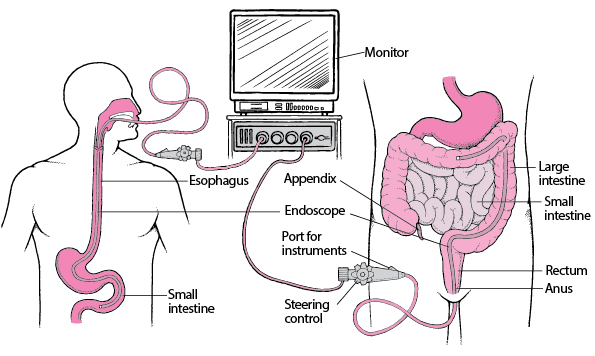
Source: https://www.msdmanuals.com/home/digestive-disorders/diagnosis-of-digestive-disorders/endoscopy
GI Endoscopy: Procedures and Uses
GI endoscopy is a vital procedure for examining the digestive tract. It involves using a flexible tube with a light and camera, known as an endoscope. This allows healthcare professionals to visualize the esophagus, stomach, and small intestine.
One of the most common procedures is esophagogastroduodenoscopy (EGD), used to identify conditions like inflammation, infections, or ulcers. For individuals dealing with frequent digestive discomfort or unexplained symptoms, a detailed endoscopy examination can help detect issues early and guide treatment effectively.
Common procedures include esophagogastroduodenoscopy (EGD), which explores the upper GI tract. Doctors often use this technique to diagnose conditions like ulcers or inflammation. It can also assist in taking biopsies if necessary.
Another popular application is therapeutic interventions such as removing polyps or treating bleeding sites within the gastrointestinal system.
Patients typically undergo GI endoscopy on an outpatient basis, making it convenient and less invasive than traditional surgeries. The insights gained from these examinations are invaluable for guiding treatment plans tailored to individual needs.
Colonoscopy: What to Expect and When to Get One
A colonoscopy is a vital procedure used to examine the inner lining of your large intestine. It typically involves inserting a flexible tube with a camera into the rectum. This allows doctors to identify abnormalities, such as polyps or inflammation.
Preparation for a colonoscopy often requires dietary adjustments and bowel cleansing. You may need to follow a special diet before the procedure and take laxatives to ensure your intestines are clear for accurate results.
Most professionals recommend routine screenings starting at age 45, especially if there’s a family history of colorectal issues. If symptoms persist or concern exists, you can consult a specialist for endoscopy in Chennai to determine the right screening intervals.
During the exam, you’ll receive sedation for comfort. The entire process usually lasts about 30 minutes but can provide crucial insights into digestive health.
Most experts recommend starting routine screenings at age 45, especially if there’s a family history of colorectal issues. Early detection can significantly improve treatment outcomes and overall health management.
Laparoscopy: Overview and Applications
Laparoscopy is a minimally invasive surgical technique that uses small incisions and specialized instruments. It allows surgeons to access the abdominal cavity with less trauma than traditional open surgery.
During laparoscopy, a thin tube with a camera, known as a laparoscope, provides real-time visuals on a monitor. This enhances precision while enabling quicker recovery times for patients.
It is widely used for procedures such as gallbladder removal, hernia repairs, and gynecological surgeries. Choosing a trusted endoscopy doctor ensures a safe and accurate procedure with reduced post-operative discomfort and quicker recovery.
Common applications include gallbladder removal, hernia repairs, and gynecological surgeries like hysterectomies. Surgeons can perform various procedures through these tiny openings rather than large cuts.
Patients often experience reduced pain and shorter hospital stays compared to conventional methods. The smaller scars are another significant advantage of this approach.
As technology advances, the use of laparoscopy continues to expand into complex areas such as bariatric surgery and organ transplants. Its effectiveness makes it an attractive option for both surgeons and patients alike.
Other Types of Endoscopy:
Endoscopy encompasses various specialized techniques beyond the common types. Each serves unique purposes and targets different organs.
Upper GI endoscopy focuses on the esophagus, stomach, and duodenum. It helps diagnose conditions like ulcers or gastritis by directly visualizing these areas.
Flexible sigmoidoscopy is another vital method that examines the lower part of the colon. This procedure can identify polyps or signs of inflammatory bowel disease with minimal discomfort.
Bronchoscopy, on the other hand, deals with the respiratory system. By inserting a thin tube into the airways, doctors can assess lung issues such as infections or tumors effectively.
Cystoscopy investigates bladder health. Using a slender scope inserted through the urethra allows for direct observation and treatment of urinary tract problems. Each type plays an essential role in modern medicine’s diagnostic arsenal.
Whichever type is being considered, it is essential to get guidance from a consultation for endoscopy with an experienced gastro specialist to determine the right approach.
Upper GI endoscopy
Upper GI endoscopy, also known as esophagogastroduodenoscopy (EGD), is a vital diagnostic tool used to examine the upper part of the gastrointestinal tract. This includes the esophagus, stomach, and duodenum.
During this procedure, a thin tube with a camera on its end is gently inserted through the mouth. It allows doctors to visualize abnormalities such as ulcers or tumors and take biopsies if needed.
Patients typically receive sedation for comfort. The process usually takes about 15 to 30 minutes. Afterward, monitoring occurs until patients wake up from sedation.
While most people recover quickly with minimal discomfort, some may experience throat soreness or bloating afterward. Despite these minor side effects, Upper GI endoscopy plays an essential role in diagnosing conditions like GERD and gastritis effectively.
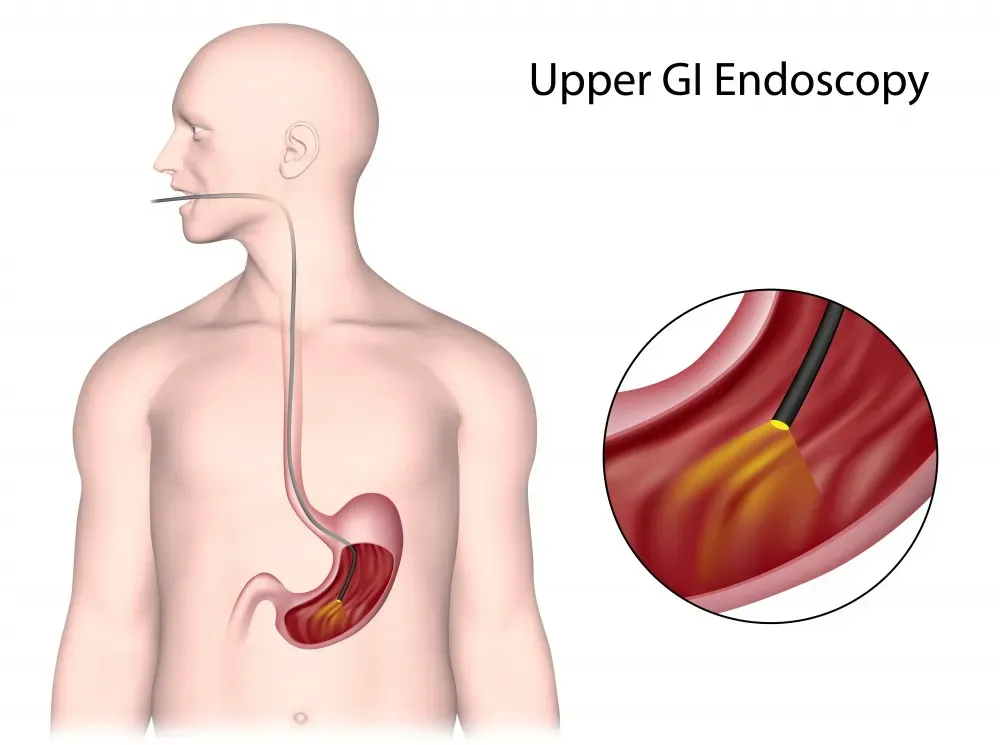
Source: https://www.baygastro.com/post/5-different-types-of-endoscopy
Flexible sigmoidoscopy
Flexible sigmoidoscopy is a specialized procedure focused on the lower part of the colon, known as the sigmoid colon. This minimally invasive technique allows doctors to examine this area using a slender, flexible tube equipped with a light and camera.
Patients often undergo flexible sigmoidoscopy to investigate symptoms like rectal bleeding or unexplained changes in bowel habits. It can also be used for screening purposes, especially for individuals at risk of colorectal cancer.
The process typically takes around 15 to 30 minutes. During the examination, air is introduced into the colon to enhance visibility. While some discomfort may occur, it’s generally well-tolerated.
Recovery time is minimal; most people can resume normal activities shortly after leaving the clinic. Flexible sigmoidoscopy plays a vital role in early detection and management of gastrointestinal issues while minimizing risks associated with more extensive procedures.
Bronchoscopy
Bronchoscopy is a specialized procedure that allows doctors to examine the airways and lungs. A thin, flexible tube known as a bronchoscope is inserted through the nose or mouth and into the bronchial tubes.
This technique provides a direct view of the respiratory passages. It helps in diagnosing various conditions such as infections, tumors, and chronic coughs. With advanced imaging technology, physicians can also take tissue samples for further analysis.
Patients typically undergo this procedure under sedation to ensure comfort. The entire process usually takes about 30 minutes to an hour. Afterward, some may experience mild soreness in their throat or temporary coughing.
Bronchoscopy not only aids in diagnosis but can also be therapeutic. Doctors might remove blockages or clear out excess mucus during the procedure, providing immediate relief for patients with breathing difficulties.
Cystoscopy
Cystoscopy is a specialized procedure that allows doctors to examine the bladder and urethra. Using a thin, flexible tube called a cystoscope, healthcare professionals can visualize these areas directly.
This method is particularly useful for diagnosing issues such as urinary tract infections, bladder stones, or abnormal growths. It may also aid in evaluating unexplained symptoms like blood in urine.
During the procedure, patients typically receive local anesthesia to minimize discomfort. The cystoscope is gently inserted through the urethra and into the bladder. Many individuals report only mild sensations during this time.
Recovery from cystoscopy is usually quick. Patients might experience slight irritation or burning while urinating afterward but should feel back to normal shortly after. This examination plays an important role in urological health by providing valuable insights into potential problems affecting the urinary system.
Advantages and Disadvantages of Endoscopy
Endoscopy offers several advantages, making it a valuable tool in modern medicine. It allows for minimally invasive procedures, which means less pain and quicker recovery times for patients. Real-time imaging enhances diagnostic accuracy, enabling physicians to identify issues that might not show up on other tests.
However, there are drawbacks as well. Risks include bleeding or infection at the site of entry. Some patients experience discomfort during or after the procedure.
Cost can also be a factor; endoscopic exams may not always be covered by insurance plans. Additionally, certain types of endoscopies require sedation, which adds another layer of complexity to the process.
Patients should weigh these pros and cons carefully when considering an endoscopic procedure. Open communication with healthcare providers can help clarify any uncertainties about risks and benefits.
Insurance coverage, sedation needs, and procedure type may also influence the decision. When evaluating options, discussing concerns with a trusted endoscopy doctor can help make the process easier and clearer.
Conclusion
Endoscopy has revolutionized the way we diagnose and treat various medical conditions. With several types of endoscopic procedures available, patients can benefit from minimally invasive techniques that provide clear insights into their health.
GI endoscopy plays a crucial role in examining gastrointestinal issues, offering quick diagnoses and treatment options. Colonoscopies are essential for colorectal cancer screening, allowing early detection when it matters most. Laparoscopy provides surgeons with a unique view inside the abdomen to perform repairs or removals without large incisions.
Other forms like upper GI endoscopy, flexible sigmoidoscopy, bronchoscopy, and cystoscopy expand diagnostic capabilities across different body systems. Each type serves specific purposes tailored to individual patient needs.
While there are undeniable advantages—such as reduced recovery time and minimized discomfort—there are also considerations regarding risks associated with any procedure. Therefore, understanding these various types of endoscopy empowers patients to engage actively in their healthcare decisions.
With advancements in technology continuing to enhance these procedures, it’s an exciting time for both practitioners and patients alike as they navigate the landscape of modern medicine together.
If you are experiencing symptoms like digestive discomfort, swallowing difficulty, unexplained bleeding, or persistent cough, consult a specialist for endoscopy in Chennai to determine whether the procedure is necessary. Early diagnosis often leads to faster treatment and better outcomes.