
Introduction to Endoscopy
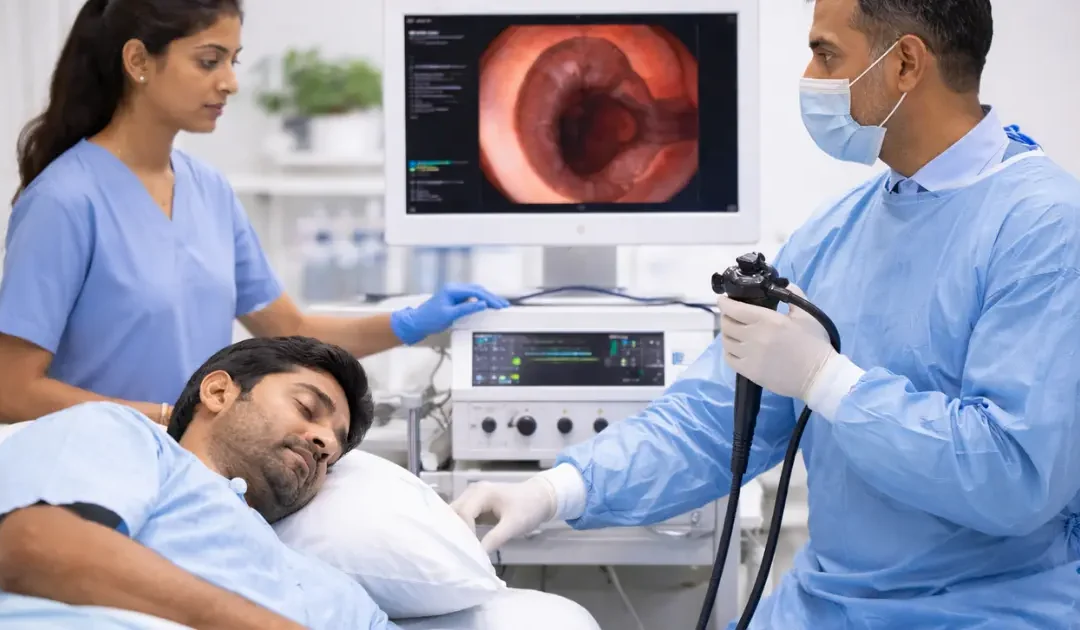
Endoscopy might sound like a complex medical term, but it’s a procedure that plays a vital role in diagnosing and treating various health issues. Understanding when is endoscopy recommended can help you recognize important warning signs early. Imagine having a tiny camera guiding doctors through your body to get a closer look at what’s causing discomfort or pain. It can be daunting to think about, yet the benefits often outweigh the fears. If you’re curious about when endoscopy is recommended and why doctors rely on this tool, you’re in the right place. Let’s dive into everything you need to know!
The Purpose and Benefits of an Endoscopy
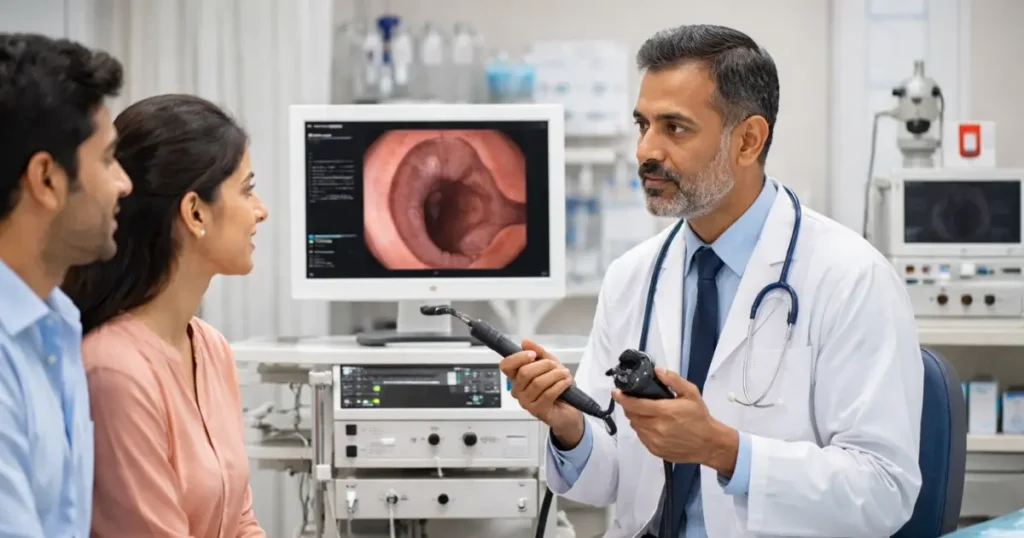
Endoscopy is a vital diagnostic tool in modern medicine. It allows doctors to visualize the interior of a patient’s body without invasive surgery. This procedure uses a flexible tube equipped with a camera, providing real-time images.
One significant benefit is its ability to diagnose conditions early. Catching issues like ulcers or tumors promptly can lead to more effective treatment options.
Additionally, endoscopy can be therapeutic. Doctors may remove polyps or take biopsies during the procedure. This not only aids diagnosis but also helps manage certain health problems on the spot.
Patient comfort and recovery time are also noteworthy advantages. Most endoscopies are outpatient procedures, meaning patients can go home the same day and resume normal activities quickly.
With minimal risks compared to traditional surgeries, an endoscopy often presents as a safer option for various medical concerns.
Key Symptoms: When Is Endoscopy Recommended?
Doctors may recommend an endoscopy for various reasons, primarily to explore digestive issues. Understanding when is endoscopy recommended helps patients seek timely medical attention. If a patient experiences persistent abdominal pain, this procedure can provide clarity.
Another common reason is difficulty swallowing or unexplained weight loss. These symptoms could signal underlying conditions that need further investigation.
Endoscopy is also used to examine bleeding in the gastrointestinal tract. Whether it’s from ulcers or other sources, identifying the cause is crucial for effective treatment.
In cases of chronic heartburn or gastroesophageal reflux disease (GERD), doctors might suggest an endoscopy to assess any potential damage to the esophagus and determine appropriate care options. For expert evaluation and treatment, consider consulting the best endoscopy doctors in Chennai.
Screening for cancers such as stomach or esophageal cancer often involves endoscopic procedures. Early detection significantly improves treatment outcomes and increases survival rates.
Preparing for an Endoscopy Procedure
Preparing for an endoscopy involves several important steps. Your doctor will provide specific instructions tailored to your needs, but there are general guidelines you can expect.
Fasting is often required prior to the procedure. Typically, patients need to avoid food and drink for a certain period, usually around six hours. This ensures that your stomach and intestines are empty, allowing better visibility during the exam.
You may also be asked to stop taking certain medications ahead of time. Blood thinners or anti-inflammatory drugs could interfere with the procedure or increase risks.
Wear comfortable clothing on the day of your appointment. You’ll likely change into a gown at the facility, but wearing something easy to remove helps ease any stress.
Arrange for someone to drive you home afterward. Sedation is commonly used during endoscopies, making it unsafe for you to operate a vehicle post-procedure.
What to Expect During and After the Procedure
During the endoscopy, you’ll be in a comfortable setting. Medical staff will monitor your vitals closely. Many patients receive sedation to help them relax.
As the procedure starts, a thin tube with a camera is gently inserted into your body. You might feel slight pressure or discomfort, but it’s usually brief and manageable.
Afterward, you’ll move to a recovery area where healthcare professionals keep an eye on you for any unusual reactions. The sedation may leave you feeling groggy; it’s normal to need a little time before fully waking up.
Once you’re alert, doctors will discuss their findings with you. They may provide instructions for follow-up care or let you know when to expect results from any biopsies taken during the exam. If you’re searching for specialized endoscopy services, professional gastroenterologists can provide comprehensive post-procedure support. Most people can resume normal activities within 24 hours but should avoid driving immediately after due to lingering effects of sedatives.
Potential Risks and Complications
While endoscopy is generally safe, it does come with some potential risks. These can include bleeding at the site of biopsy or polyp removal. Such occurrences are rare but worth considering.
Another concern is perforation. This means a tear in the lining of the digestive tract may happen during the procedure. Though infrequent, this condition usually requires surgical intervention.
Infection is another risk associated with any invasive procedure. Medical teams take precautions to minimize this threat, but it’s important to be informed.
Some patients might also experience adverse reactions to sedation used during an endoscopy. These reactions can range from mild discomfort to more serious issues requiring monitoring.
Discussing these risks with your healthcare provider helps ensure that you make an informed decision regarding your health and well-being before undergoing an endoscopy. Visit https://drsundhar.in/endoscopy/ to learn more about safe endoscopy procedures.
Alternatives to an Endoscopy
For patients seeking alternatives to endoscopy, several options may be considered depending on the underlying condition. Knowing when is endoscopy recommended versus when alternative tests suffice is important for informed decision-making. Non-invasive imaging techniques like ultrasound or MRI can provide valuable insights into digestive tract issues without the need for sedation.
Another alternative is a CT scan with contrast, which helps visualize internal organs and can detect abnormalities in the gastrointestinal tract. This method offers detailed pictures but does expose patients to radiation.
In some cases, doctors may recommend blood tests or stool tests that help identify infections or diseases affecting digestion. These methods are less invasive and often easier on the body.
Dietary changes and medication might also be effective solutions for certain symptoms, allowing doctors to monitor improvements without immediate invasive procedures. Always discuss these alternatives thoroughly with your healthcare provider to ensure they align with your specific health needs.
Medical Guidance: When Is Endoscopy Recommended?
Following medical recommendations for an endoscopy is crucial. This procedure can provide valuable insights into your health and help diagnose various conditions. When doctors suggest it, they are looking out for your well-being.
Ignoring these recommendations might delay necessary treatment or result in complications that could have been avoided with early intervention. It’s important to communicate openly with your healthcare provider about any concerns you may have regarding the procedure.
Trusting their expertise allows you to take proactive steps toward better health management. For those wondering when is endoscopy recommended specifically for their symptoms, consulting experienced specialists ensures accurate diagnosis and treatment. Always prioritize your health by adhering to professional guidance when it comes to procedures like endoscopy. Your body will thank you for it later!